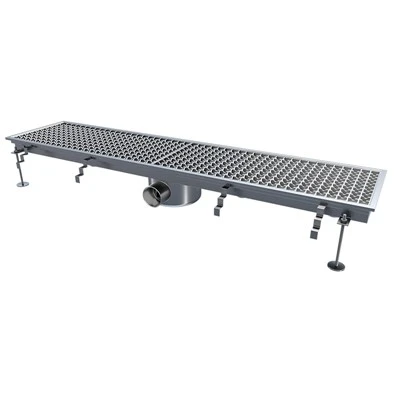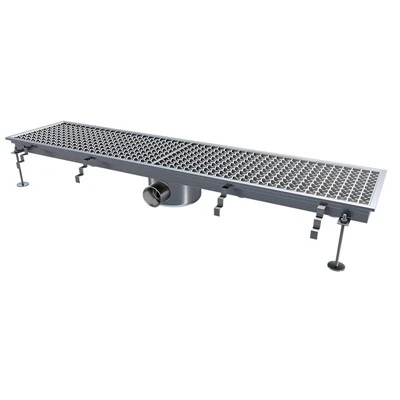


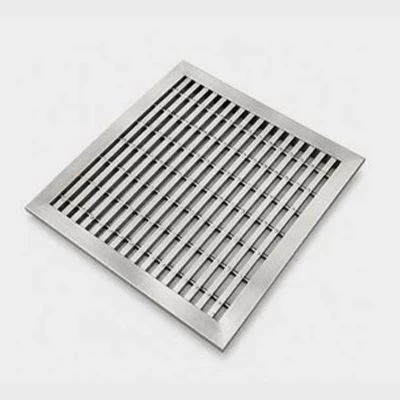
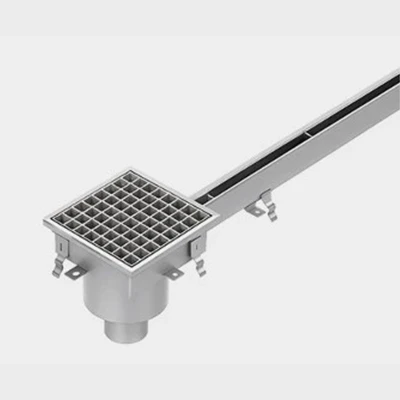
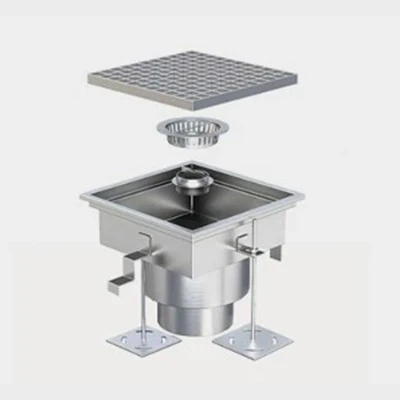
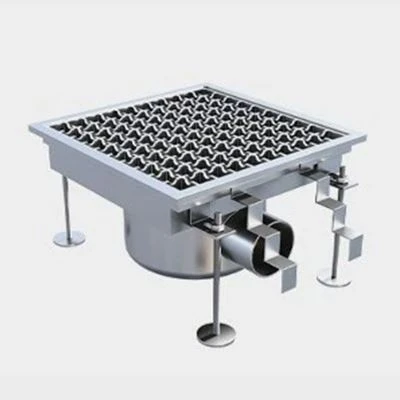
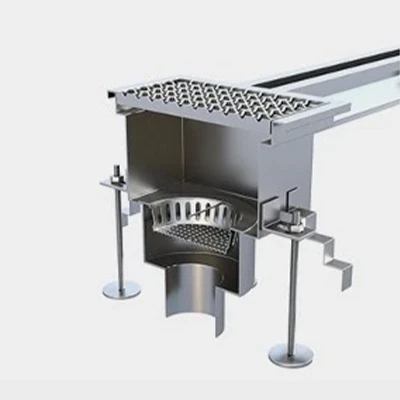

Drainage grates are important functional components of surface drainage systems and are typically installed over drainage channels, collection troughs and other ground-level drainage structures. They provide a connection between the surface and the drainage network, allowing rainwater and runoff to enter the system while covering and protecting the channel below. As buildings, landscapes and outdoor projects place greater emphasis on effective water management, the role of drainage grates has become increasingly important.
Water collection is the primary function of a drainage grate. During rainfall, surface runoff is directed toward the drainage area by the surrounding surface gradient and then passes through the openings in the grate into the channel below. Properly designed openings provide sufficient intake capacity and allow water to enter the drainage system efficiently. In large paved areas such as roads, plazas and landscaped spaces, strategically positioned drainage grates can help reduce water accumulation and improve surface drainage.
Drainage grates can also help limit the amount of debris entering the drainage channel. Outdoor environments commonly contain leaves, stones, sediment and other materials that may accumulate inside the drainage network and reduce its flow capacity. Properly sized and configured grate openings can help keep larger debris out of the channel while making routine cleaning more manageable.
Load support and channel protection are also important functions. Because drainage grates are generally installed flush with the surrounding surface, they may be exposed to pedestrian traffic and, in some applications, vehicle loads. Selecting the appropriate material and structural design for the intended environment can improve stability and safety. At the same time, the grate covers the drainage channel and protects the underlying structure from direct exposure.
Drainage grates can also simplify routine maintenance. Removable designs provide convenient access to the channel below, allowing maintenance personnel to remove accumulated sediment and debris and inspect the channel and connecting components. Regular cleaning and inspection can help reduce the risk of blockages and maintain reliable drainage performance.
In addition to their functional role, drainage grates can contribute to the visual integration of a project. Different materials, colors and surface finishes can be coordinated with stone, tile, concrete and other paving materials, helping drainage components blend into architectural and landscape environments.
Overall, drainage grates serve several important functions, including water collection, debris control, load support, channel protection, maintenance access and visual integration. Proper product selection and installation can improve surface water management while enhancing the safety, stability and overall quality of buildings and outdoor spaces.