


As modern buildings, landscapes and outdoor spaces place greater emphasis on effective surface water management, linear drainage channels are being used in a growing number of residential, commercial and public projects. Their continuous collection profile, flexible configuration and broad application range make them a practical alternative to conventional point drainage. By collecting water along an extended drainage line, these systems can improve surface water management while allowing greater freedom in architectural and landscape design.
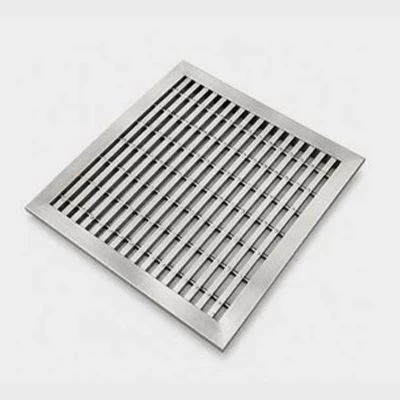
Continuous water collection is one of the defining characteristics of a linear drainage channel. The channel can be installed along building edges, shower areas, walkways, road margins or other locations where surface water needs to be controlled. A continuous grate or narrow slot opening along the top allows runoff to enter the channel over a longer collection area. This reduces the need to rely on multiple isolated drainage points.
Efficient water collection is another important advantage. Because the inlet extends along the length of the channel, surface runoff can be captured across a broader area and directed toward a designated outlet. Proper sizing of the channel, inlet area and outlet configuration helps manage water flow effectively and supports consistent drainage performance.
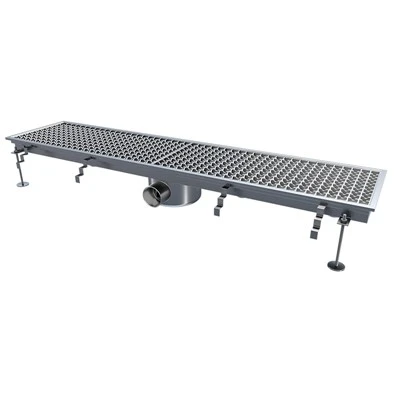
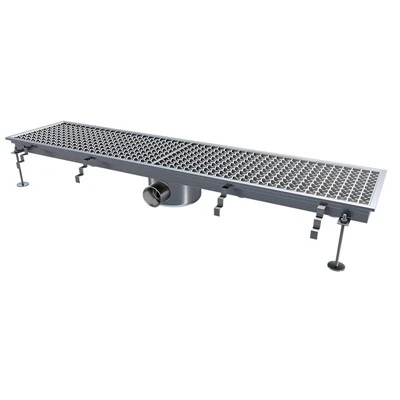
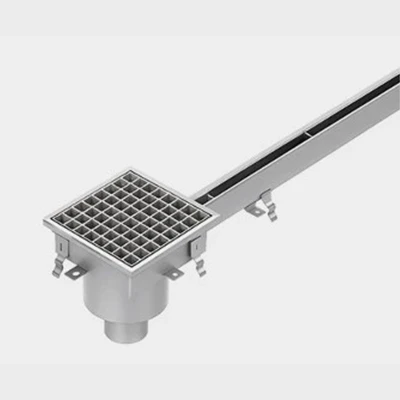
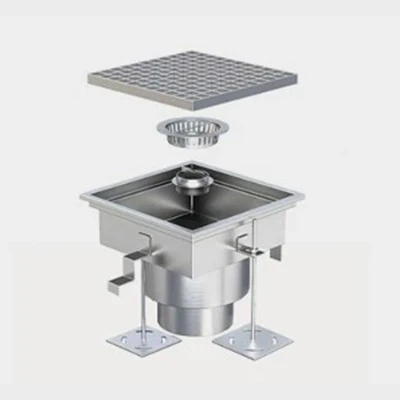
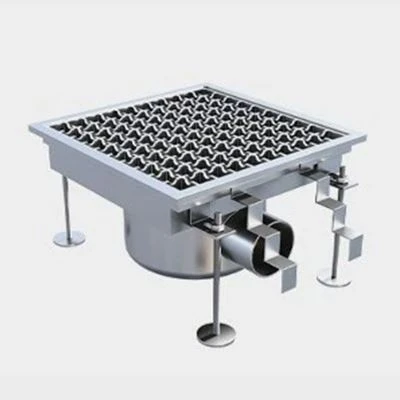
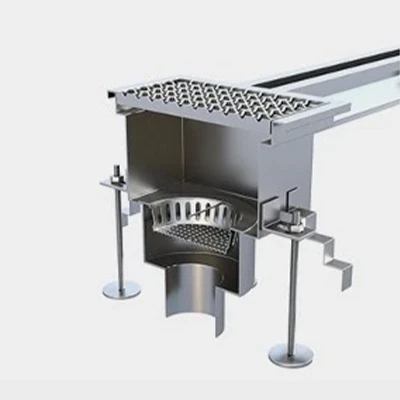
A typical linear drainage system consists of a channel body, grate or slot cover, connection components and a drainage outlet. Materials and structural configurations can vary according to the application. Residential and landscape projects may place greater emphasis on appearance, corrosion resistance and installation convenience, while roads and parking areas generally require stronger structural performance and greater load capacity.
Installation flexibility is another characteristic of linear drainage systems. Channels can be supplied in different lengths or combined to match the layout of a project. They can also be integrated with tile, stone, concrete and other paving materials. Proper installation helps maintain a continuous drainage path while minimizing the visual impact of the drainage system on the surrounding surface.
Maintenance can also be relatively straightforward, particularly when removable grates are used. The grate can be lifted to provide access to the channel for cleaning accumulated sediment, leaves and other debris. Regular inspection and cleaning help reduce the risk of outlet blockage and support reliable long-term drainage performance.
Linear drainage channels can also be designed to integrate with contemporary architectural and landscape environments. Concealed grates, narrow slot openings and different surface finishes can create a discreet appearance while preserving the functional performance of the drainage system.
Overall, linear drainage channels are characterized by continuous water collection, efficient flow management, flexible structural configurations, convenient installation and maintenance, and strong compatibility with modern architectural design. As drainage systems continue to evolve toward greater efficiency, reliability and visual integration, linear drainage channels are expected to remain an important solution for managing surface water in a wide range of projects.