


As urban development, building construction and landscape projects continue to expand, drainage systems are facing increasingly demanding requirements for efficiency, structural performance and service life. Traditional drainage solutions primarily focused on collecting and discharging water, while modern drainage technology takes a broader approach by addressing water flow management, material performance, structural design, installation efficiency and long-term maintenance.
Effective water flow management is a fundamental part of modern drainage design. By carefully planning surface gradients, channel locations and pipe routes, engineers can create efficient flow paths that allow rainwater to reach drainage points quickly. In large areas such as roads, plazas and landscaped spaces, linear drainage technology provides continuous collection along the surface, increasing the effective collection area and helping reduce localized water accumulation.
Material technology also has a major influence on drainage performance. Plastics, resins, stainless steel and polymer concrete are widely used in different drainage applications. Improvements in material formulations and manufacturing processes can enhance strength, corrosion resistance, weather resistance and overall durability, allowing drainage components to perform reliably under a wide range of environmental conditions.
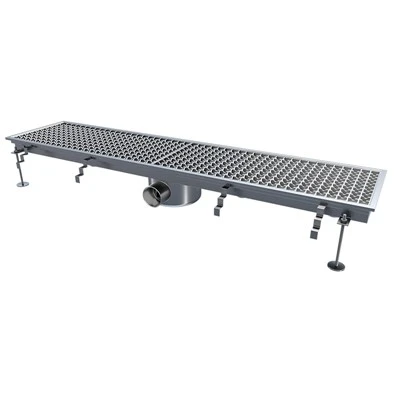
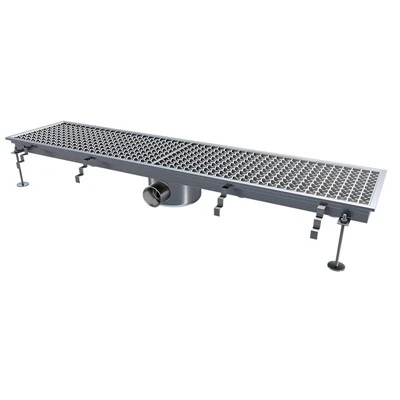
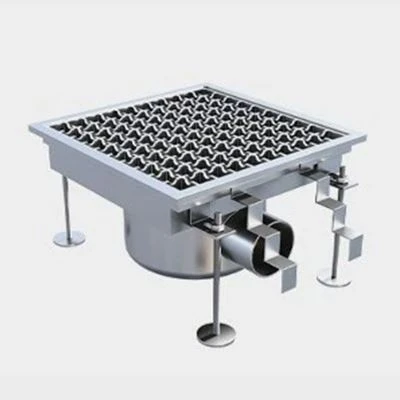
Structural engineering is another important area of development. Drainage channels, grates and connection components need to be designed according to the requirements of their intended application. Areas exposed to vehicle traffic require appropriate load-bearing capacity and structural stability, while residential, hospitality and premium landscape projects often place greater emphasis on seamless integration with surrounding paving. Modular construction can also provide greater flexibility by allowing standardized drainage components to be combined according to project dimensions and layout.
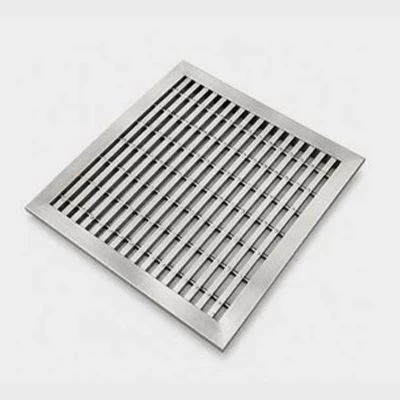
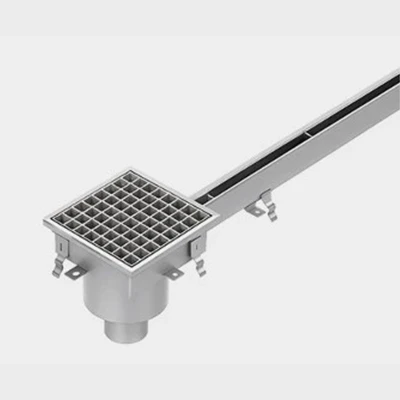
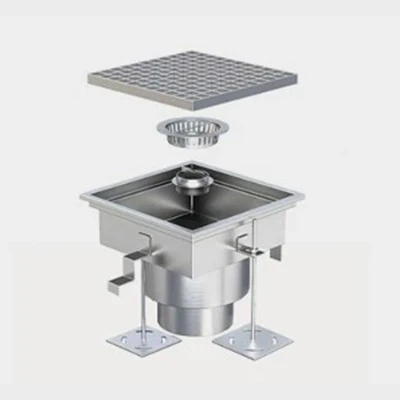
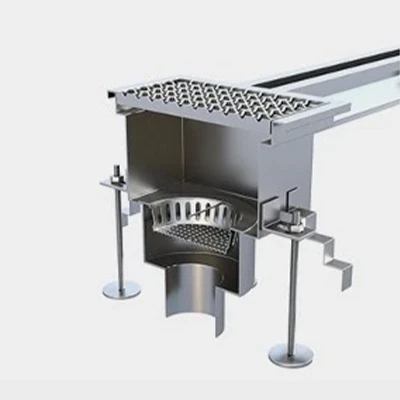
Additional technologies, including debris interception, sediment management and accessible maintenance features, are also becoming increasingly common. Integrated collection and sediment control components can help limit the amount of dirt and debris entering downstream pipework, while removable grates and accessible inspection points make routine cleaning and maintenance more efficient.
The development of digital technologies is also creating new opportunities for drainage system design and management. Large-scale projects can use digital modeling, rainfall and runoff analysis, and monitoring technologies to better understand water flow and optimize drainage layouts. Data-driven planning can help engineers improve system efficiency and make drainage networks more responsive to changing site conditions.
Overall, modern drainage technology is moving toward greater efficiency, durability, modularity and digital integration. By combining advances in materials, structural design, water flow management and digital analysis, drainage systems can provide more reliable water management solutions for increasingly complex architectural and outdoor environments.