

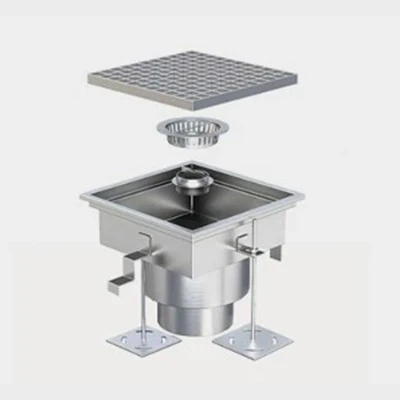
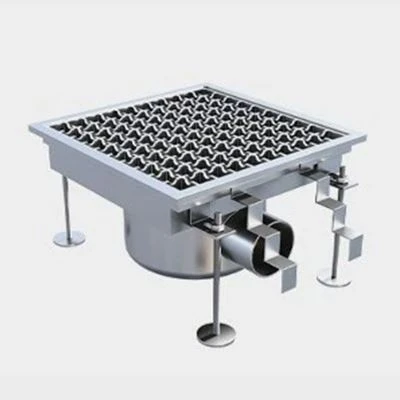
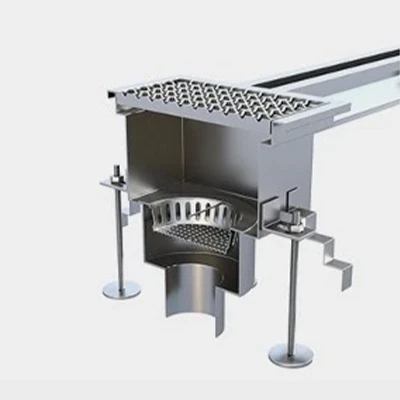

Drainage systems are widely used in buildings, landscaped areas, roads, commercial developments and outdoor infrastructure. Their performance depends not only on the quality of the drainage products but also on system design, product selection, installation and ongoing maintenance. A reliable drainage solution should provide effective water management while also meeting the requirements of the surrounding environment, expected loads, material performance and long-term maintenance.
During the design stage, the drainage requirements of the project should be clearly evaluated. Factors such as local rainfall, drainage area, surface gradients and water flow direction need to be considered when planning the system layout. Drainage points should be positioned carefully so that surface water can flow naturally into the drainage network. Large paved areas may require additional collection points or continuous linear drainage channels to reduce the risk of localized water accumulation.
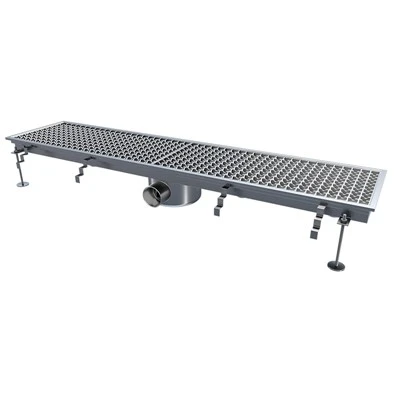
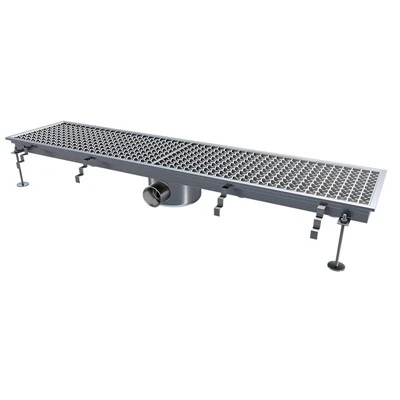
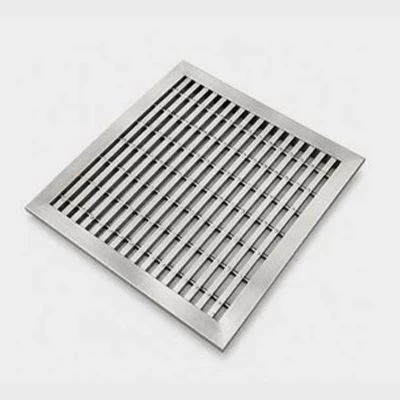
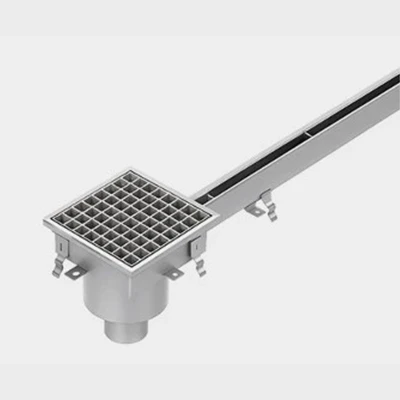
Choosing the right drainage products is equally important. Drainage channels, floor drains, grates and pipes are available in different designs and materials, with each solution suited to particular applications. Pedestrian areas may require slip-resistant and structurally stable components, while areas exposed to vehicle traffic require drainage channels and grates with sufficient load-bearing capacity. For outdoor or continuously wet environments, materials with good corrosion and weather resistance should also be considered.
Installation quality has a direct impact on drainage performance. Drainage channels should be properly aligned and securely connected to prevent gaps, movement or deformation. The transition between paving and drainage components should also be carefully finished so that surface water can enter the drainage channel without obstruction. Where a specific surface gradient is required, the finished installation should maintain the slope specified in the design.
Regular maintenance is another important factor in keeping a drainage system operating effectively. Leaves, sediment, dirt and other debris can accumulate inside channels and floor drains over time, reducing flow capacity and potentially causing blockages. Regular cleaning should therefore be carried out according to the surrounding environment and expected usage. Grates, channel bodies, connections and downstream pipework should also be inspected periodically so that potential problems can be identified and addressed at an early stage.
Overall, reliable drainage performance depends on several interconnected factors, from initial planning and product selection to professional installation and routine maintenance. By considering the requirements of the entire project and managing each stage carefully, drainage systems can provide efficient water control, improved safety and dependable long-term performance for buildings and outdoor spaces.