

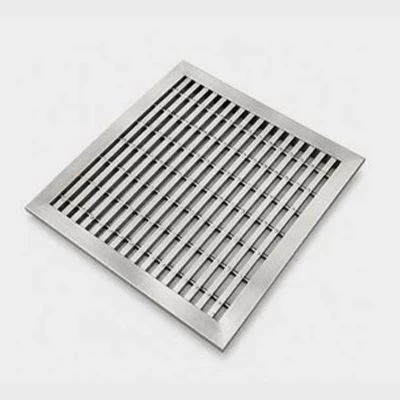
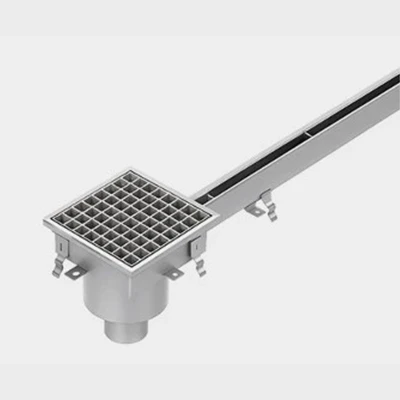

As modern buildings and bathroom designs continue to evolve, shower drains are being used in an increasingly wide range of applications. As an essential component of a shower area, a shower drain collects and removes wastewater while often providing additional functions such as odor control, debris filtration and convenient maintenance. Different environments have different requirements for drainage capacity, configuration, material performance and appearance, making application-specific selection important.
Residential bathrooms remain the most common setting for shower drains. In a typical home shower, available floor space may be limited, so the floor gradient needs to direct water efficiently toward the drain. The drain should provide consistent water removal while helping prevent hair and other debris from entering the pipework. In bathrooms with separate wet and dry zones, the drainage layout also needs to work effectively with shower enclosures, glass partitions and floor finishes to help prevent water from spreading into adjacent areas.
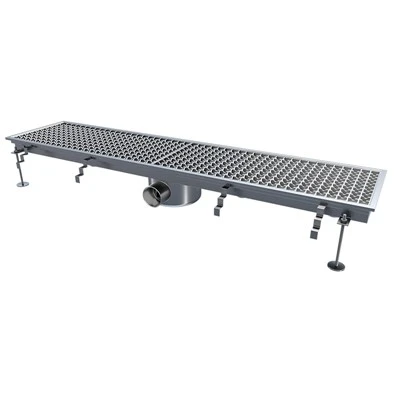
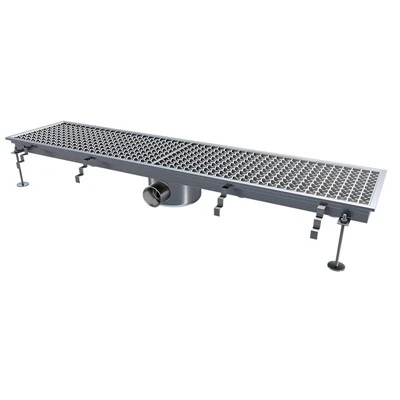
Hotels and premium residential developments often place greater emphasis on both performance and appearance. Bathroom drainage needs to remain reliable while fitting seamlessly into the overall interior design. Linear and concealed shower drains can be integrated with tile, stone and other floor finishes, creating a cleaner visual transition while maintaining effective wastewater removal.
Public shower facilities, fitness centers and sports venues typically experience much heavier and more frequent use. These environments may generate substantial water flow within a short period, making drainage capacity, durability and ease of maintenance particularly important. An appropriate number and layout of drainage points can help reduce standing water and lower the risk of blockages in high-use areas.
Accessible bathrooms and facilities designed for older users require additional attention to floor safety. The shower floor should have an appropriate gradient for water drainage, while the transition between the drain and surrounding surface should remain as level and unobtrusive as possible. Linear drainage systems can provide a longer collection area and may be well suited to certain accessible shower layouts.
Shower drains are also used in hospitals, schools, staff facilities, residential dormitories and other buildings equipped with shower areas. Each environment may have different requirements related to hygiene, drainage performance, material durability and maintenance.
Overall, shower drains have become an integral part of residential, hospitality, public and specialized wet-room environments. As modern bathroom projects place greater emphasis on drainage efficiency, hygiene, safety and design integration, selecting and positioning the right drainage solution for each application can help create more comfortable, practical and reliable shower spaces.