

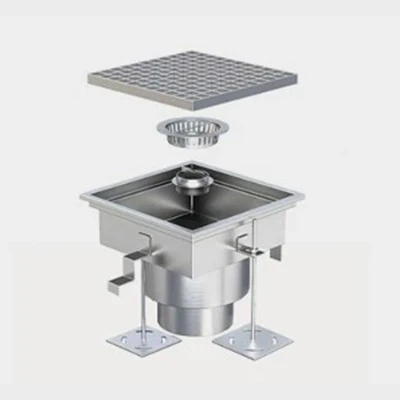
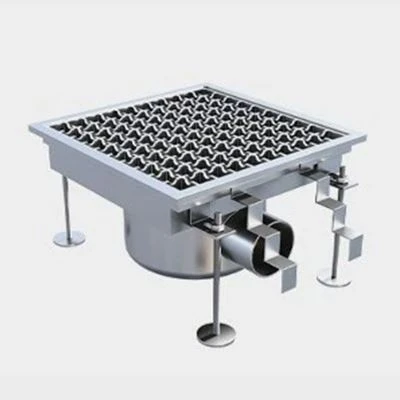
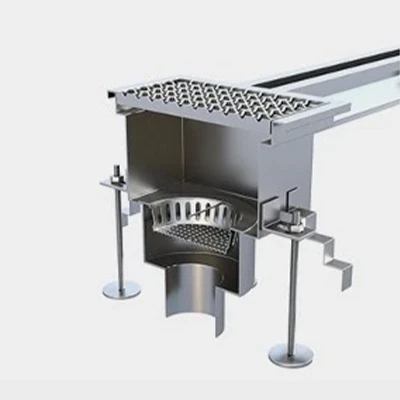

Drainage systems are essential infrastructure for modern buildings, landscaped areas, roads and public spaces. Their primary purpose is to collect, convey and discharge rainwater, wastewater and surface runoff in a controlled manner. With an appropriate drainage design, excess water can be directed away from buildings and occupied areas, helping reduce standing water, water infiltration and other moisture-related problems.
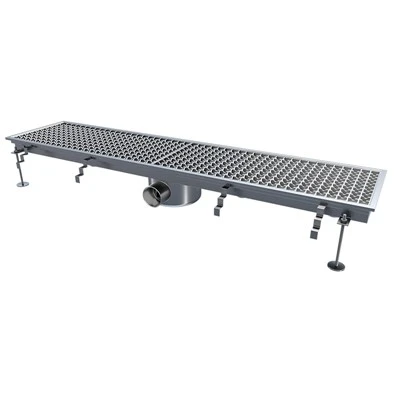
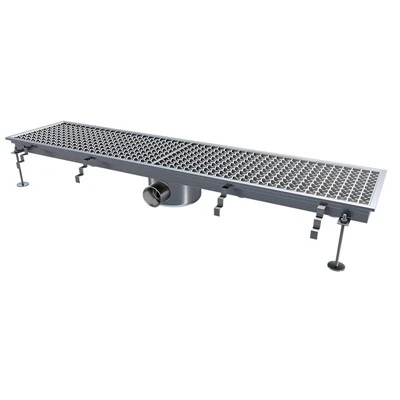
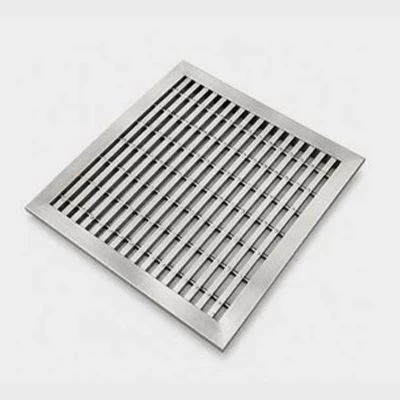
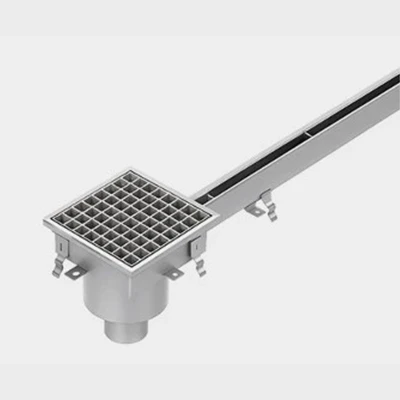
One of the most important functions of a drainage system is to prevent water from accumulating on the surface. During heavy rainfall, large volumes of water can quickly collect on roads, courtyards, plazas and areas around buildings if adequate drainage is not available. Standing water can interfere with pedestrian and vehicle access while also affecting paving and surrounding facilities. Drainage channels, floor drains, linear drainage systems and collection points help capture surface water and transfer it efficiently into the drainage network.
Protecting buildings and infrastructure is another important role of drainage systems. Prolonged exposure to moisture around walls, foundations, paving and other structural elements can increase the risk of water infiltration, material deterioration and maintenance issues. A properly designed drainage system directs water along controlled pathways, reducing prolonged contact between water and building structures and helping extend the service life of related facilities.
Drainage systems also improve the usability of outdoor spaces. Parks, residential developments, commercial plazas, hotels and public areas often contain extensive paved surfaces that can generate significant runoff during rainfall. Properly positioned drainage facilities help reduce standing water and create safer conditions for pedestrians. Linear drainage channels and concealed drainage solutions can also be integrated into surrounding paving, allowing effective water management without compromising the overall appearance of the space.
In addition, drainage systems help organize water flow and simplify long-term maintenance. Properly designed gradients, channels, pipes and access components allow water to follow a controlled route while making cleaning and inspection more convenient. Product selection should take into account factors such as expected water volume, load requirements, environmental conditions and material performance.
Overall, drainage systems serve far more than the basic purpose of removing excess water. They help protect buildings and infrastructure, improve outdoor usability, enhance safety and support efficient maintenance. As modern construction projects place increasing emphasis on performance, durability and design quality, reliable drainage solutions will continue to play an important role in creating safe, functional and long-lasting environments.